

A letter from our founders: celebrating ten years of FieldFactors
Prefer to hear the story directly from our founders? Watch this video.
It started with rain.
We were at our office in Amsterdam, drinking coffee and watching a downpour hit the pavement outside. Everything around us was paved, and all that water was rushing straight into the sewer.
We started asking each other questions we couldn't let go of.
Why did we build our cities this way, when nature works so differently? What if small pockets of green could absorb the water our sewers can't cope with? What if rain went back into the ground instead of being piped away?
That conversation became FieldFactors.
For us, FieldFactors has always been about three things: the field, the actors, and the factors.
The field is the unique local context of every project. The actors are the people and communities we work with. And the factors are the design choices that allow our solutions to fit that context and work in the real world.
Together, they shape how we turn rain into a resource.
Build it and show them.
In 2015, we applied to ClimateLaunchpad with an idea we believed could change how cities manage rainwater. We didn't make the finals.
We still remember the feedback from an investor in the room:
“Guys, who is going to pay for this? Water is so cheap and it is always there in abundance in the Netherlands.”
It stung. But it also set our course.
If people didn't believe it on paper, we would build it and show them.
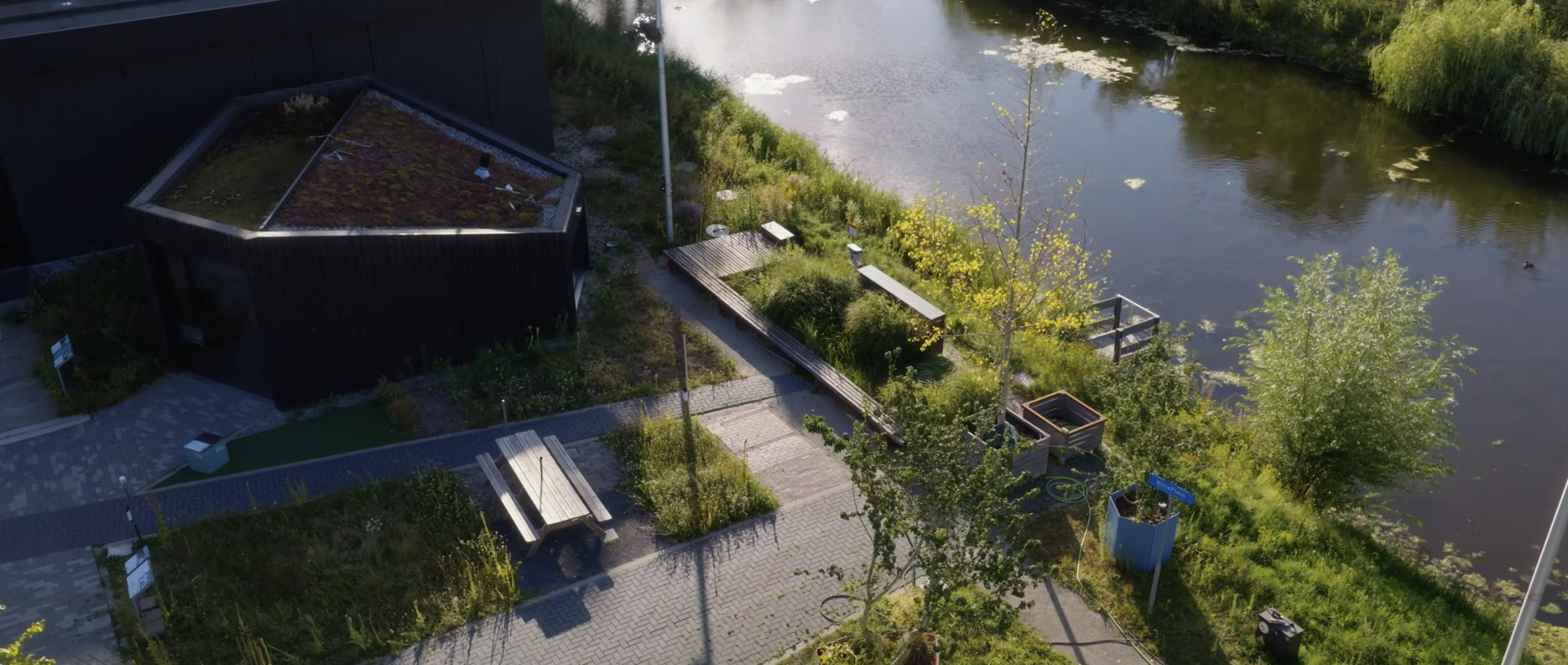
Our pilot site at The Green Village, TU Delft campus, seen from above. Image: The Green Village, still from “12,5 jaar The Green Village”, 2026.
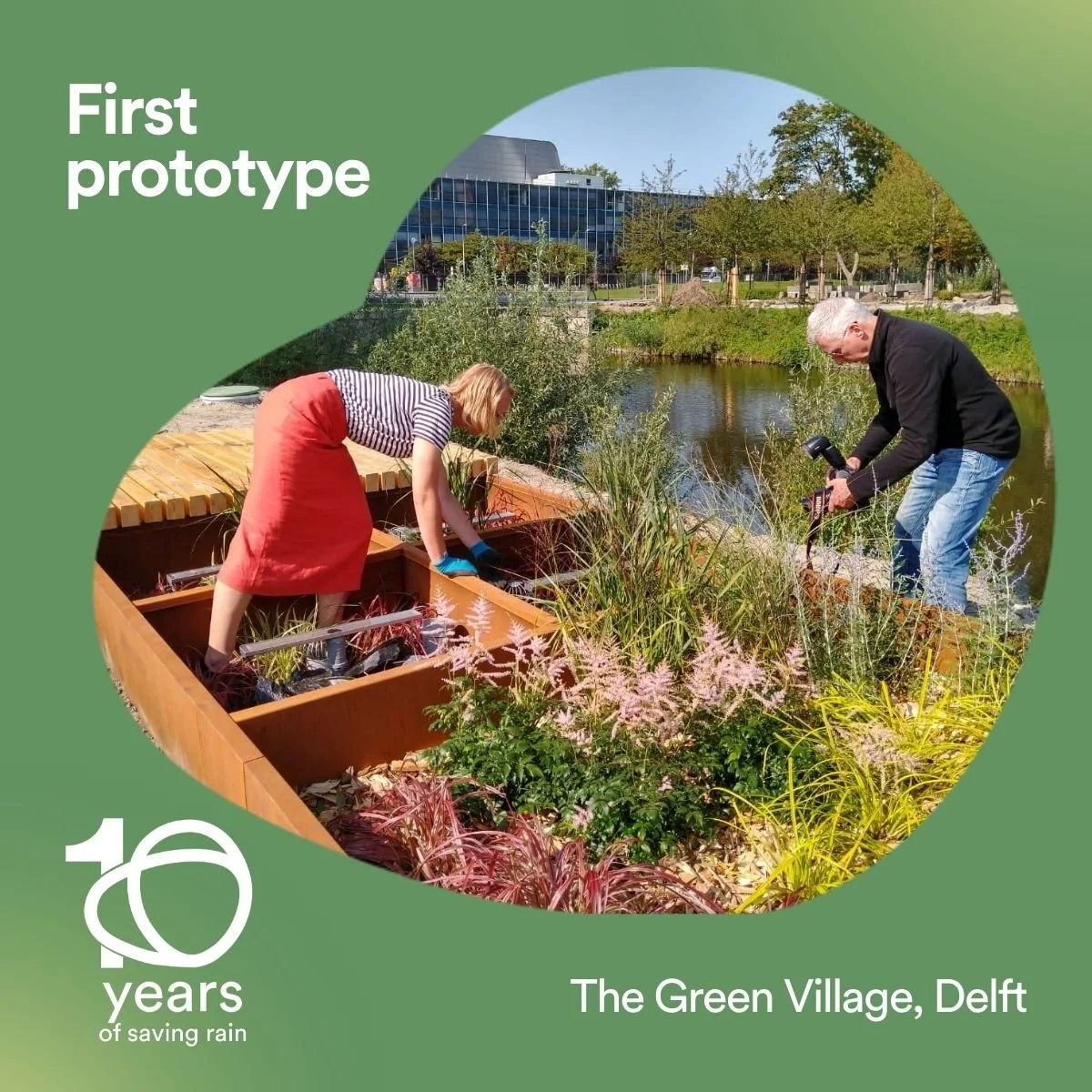
In 2016, FieldFactors was founded. We moved to Delft and began working with TU Delft, KWR, and The Green Village. Together, we built our first prototype with students and our own hands.
Very soon, in 2018, we launched our first full-scale system at Sparta Stadium in Rotterdam.
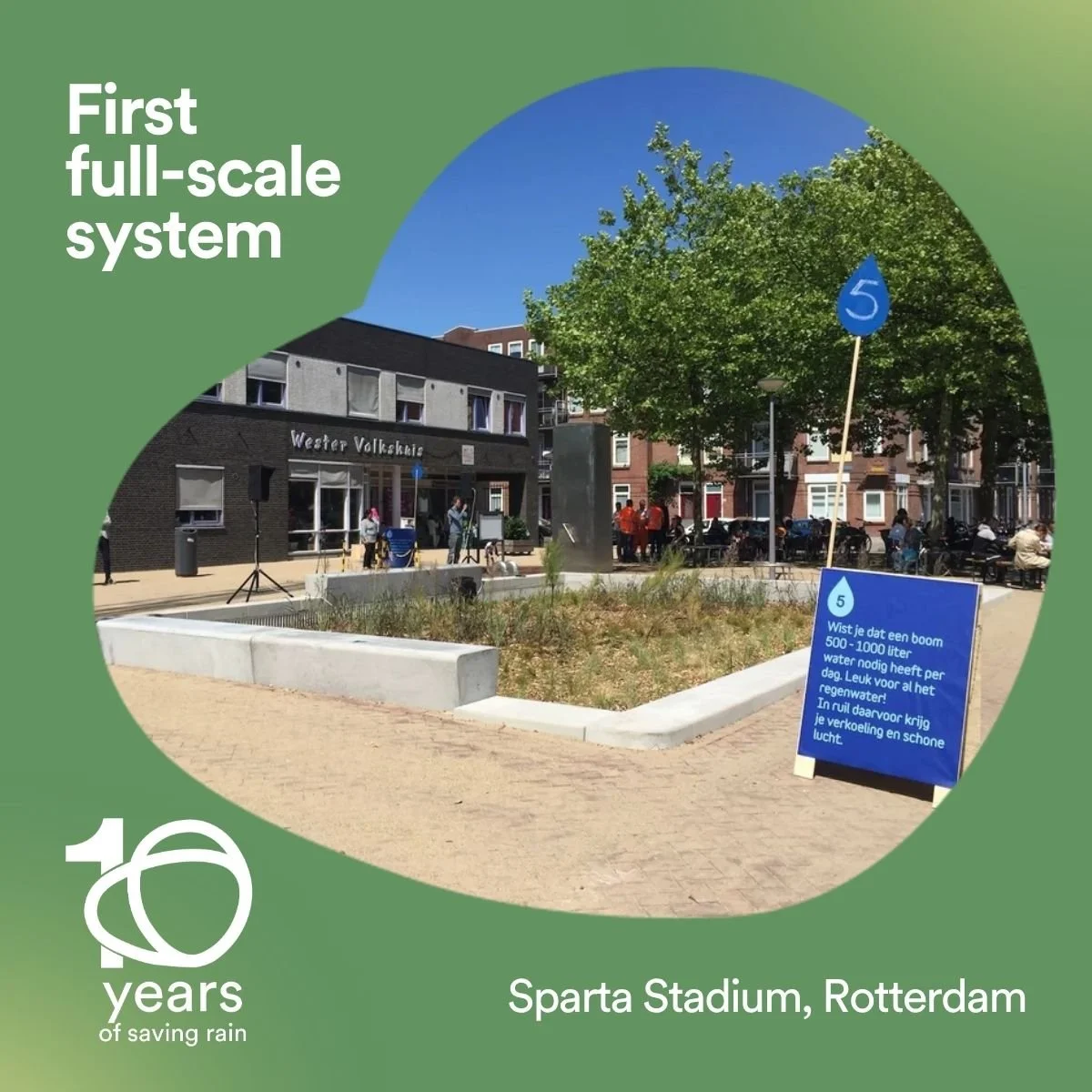
We still remember that summer. The Netherlands went through a severe drought. Green was dying everywhere, but our biofilter was thriving. It even made the news, using rainwater to irrigate the sports field.
That’s how it all started.
The years that tested us.
We'd love to tell you the years since were smooth. They weren't.
We ran on grants and pilots for a long time, and more than once we came close to running out of cash.
2024 was our make-or-break year. We had amazing opportunities in front of us and no resources to take them on. At exactly that point, an impact investor chose to believe in us.
Their backing let us grow the team, bring in new expertise, and take on the projects we'd been dreaming of.
Would we do anything differently? We started without a business plan. Only a vision and the stubbornness to prove it.
Ten years later, we’d do it the same way, because we always learn by doing.
Our learning: water is a global problem, but a very local business.
Every market has its own regulations, partners, climate, and urban context. What works in one place cannot simply be copied into another.
Learning that made us stronger.
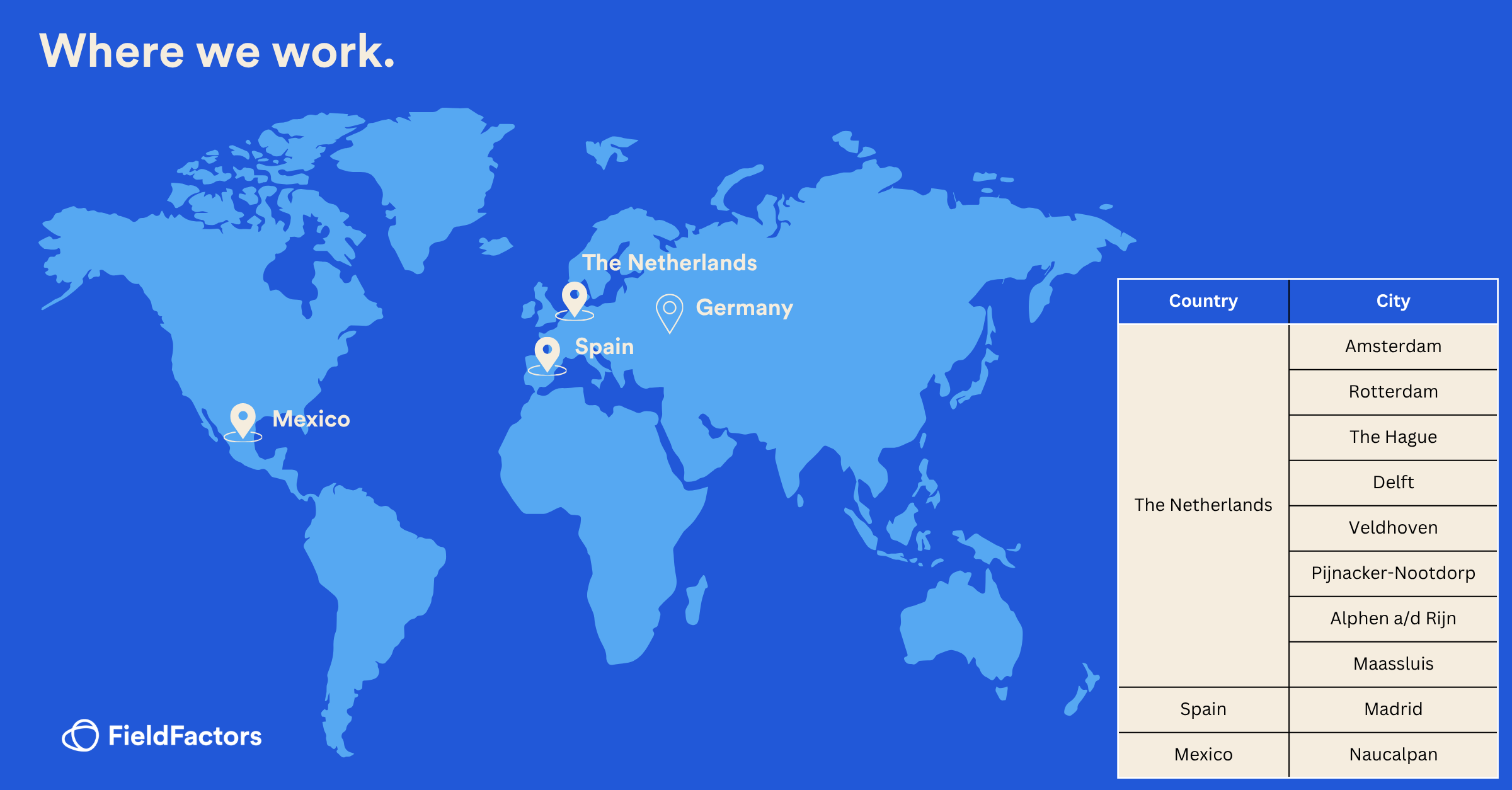
Over the years, FieldFactors grew from projects in the Netherlands to Spain, and now to Mexico and beyond. Each new place has taught us how to design solutions that work with local conditions, not against them.
Person by person.
Looking back, there are so many proud moments.
Building Sparta with our own hands and seeing it come to life. Standing in Caleido Park in Madrid in 2021, in front of our first system abroad, barely believing it was real. Signing the contract of our very first employee, when all we had was an idea.
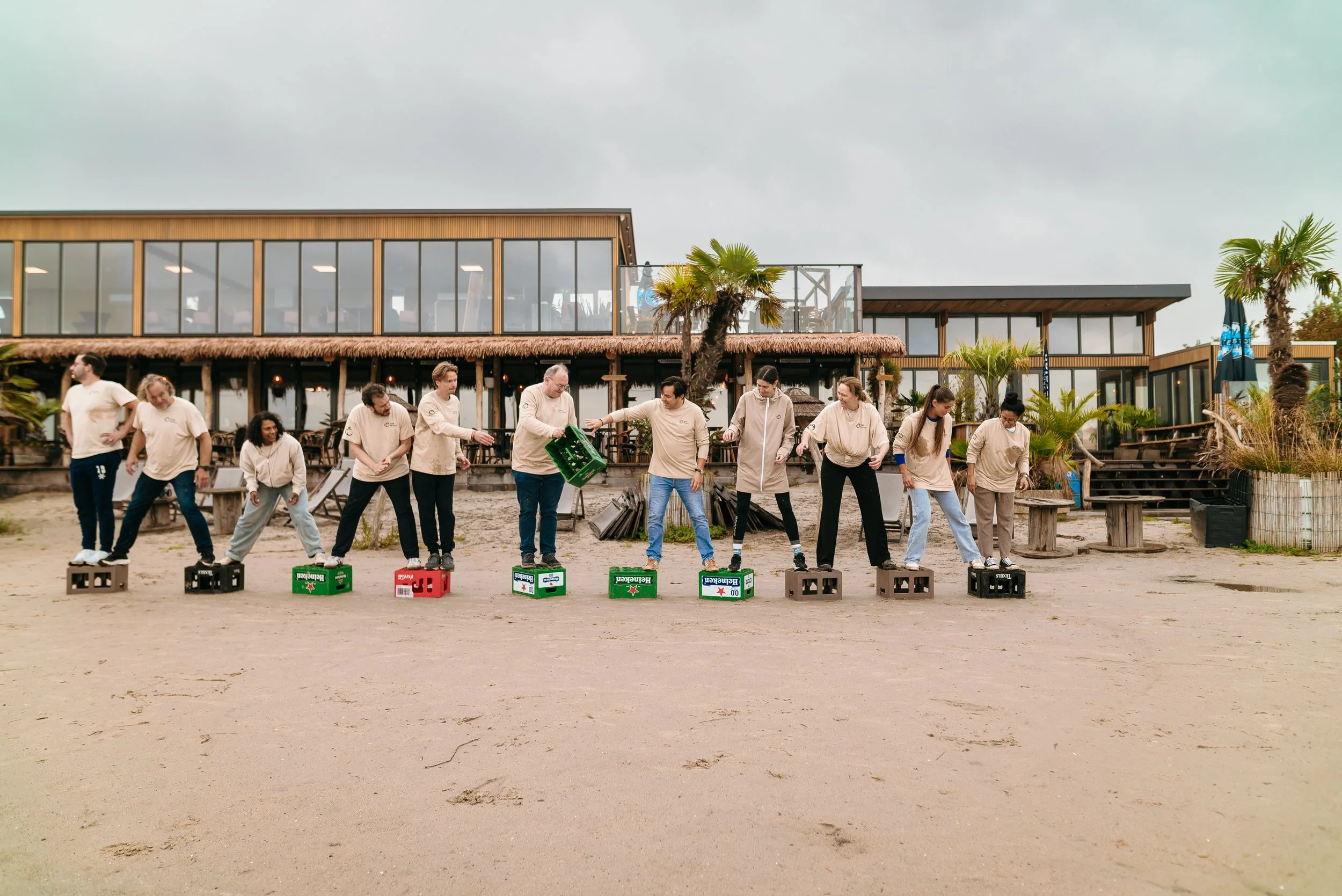
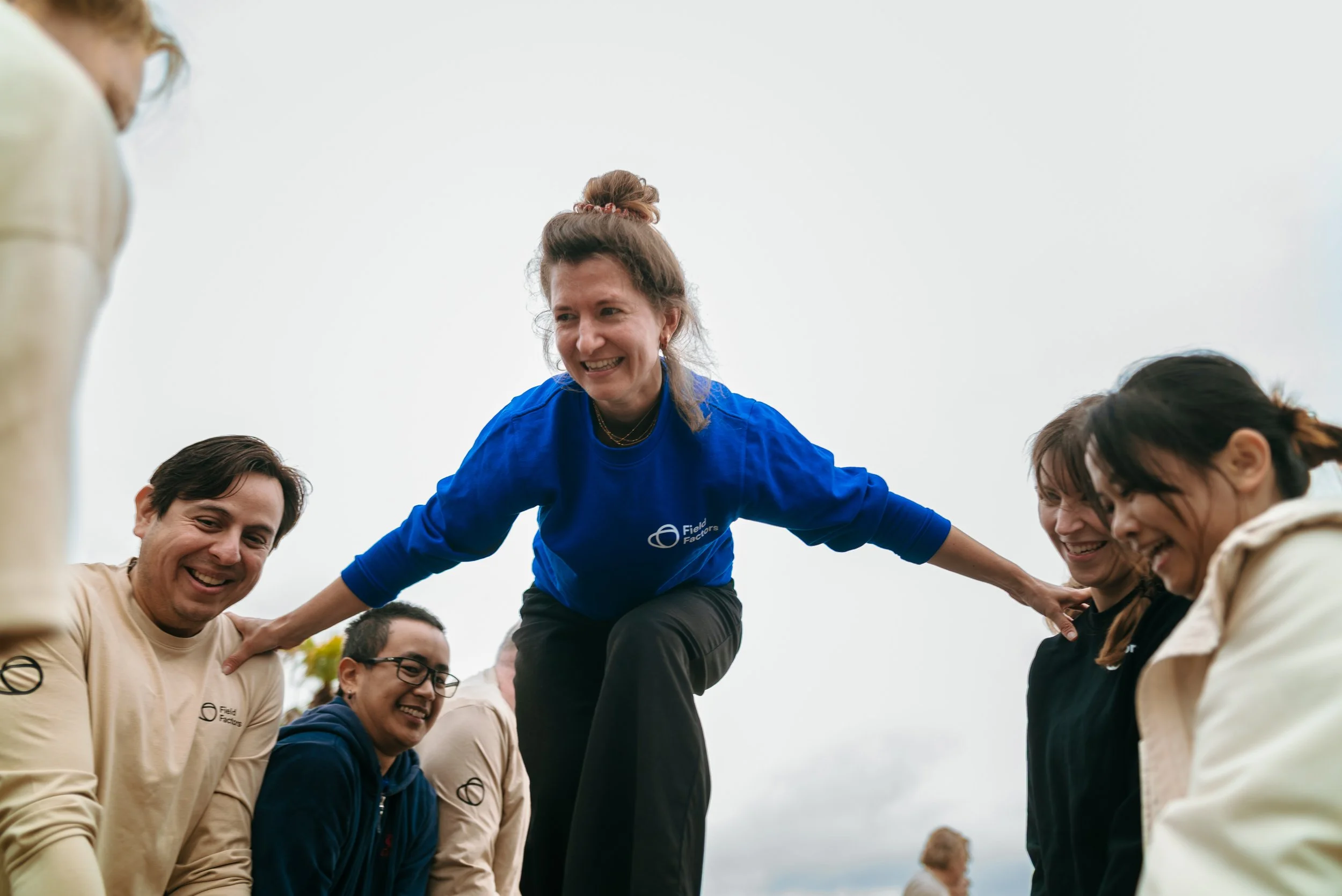
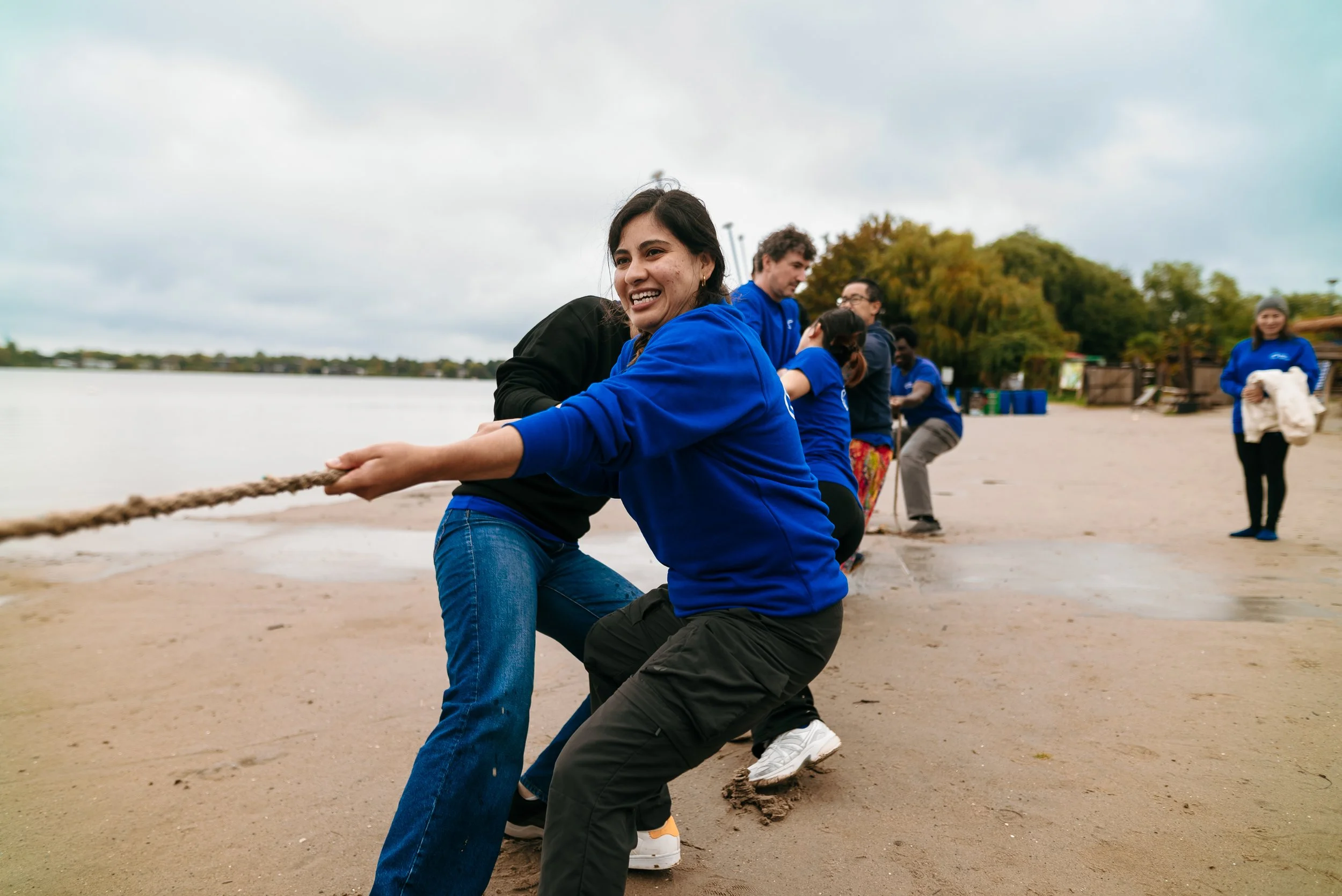
And a ritual we love: every time we deliver a new biofilter, the team takes a day outside to plant it ourselves. We still do.
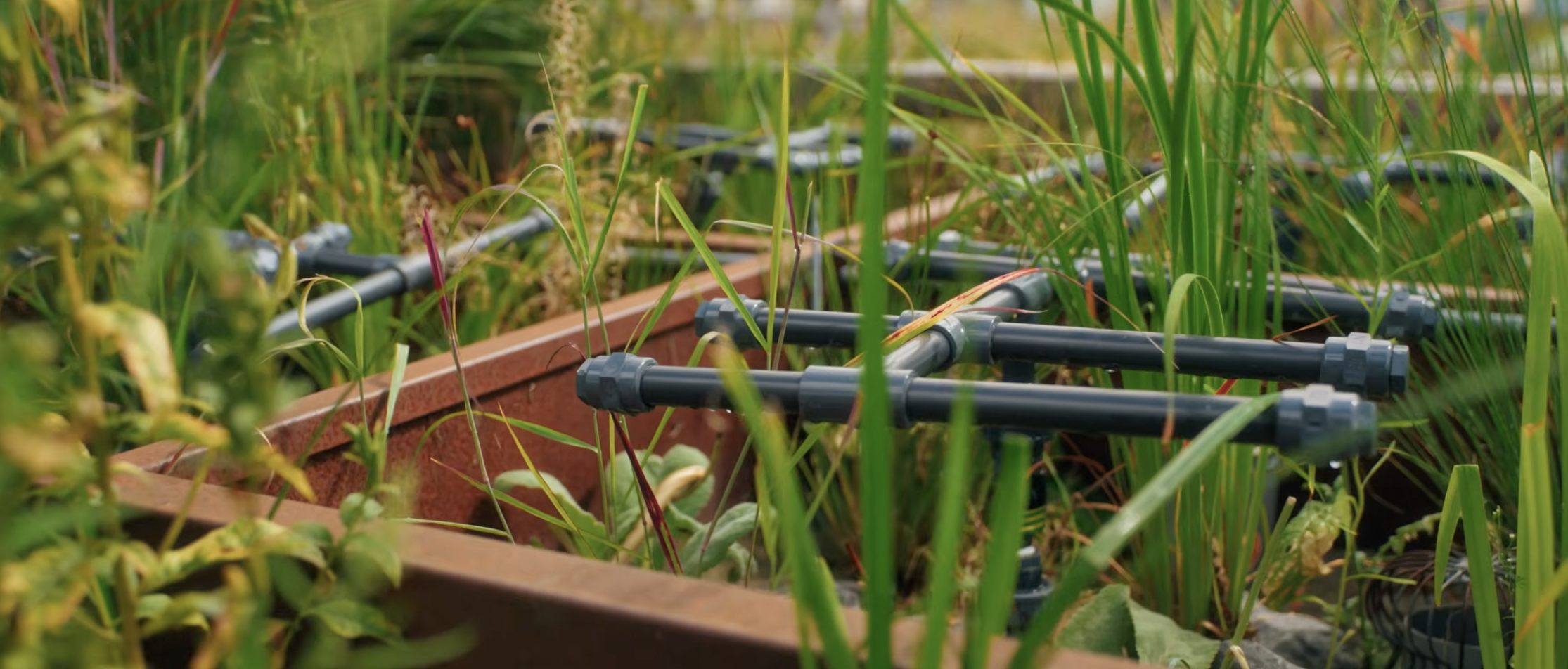
Biofilter we planted by our team at the Green Village.
Image: The Green Village, still from “12,5 jaar The Green Village”, 2026.
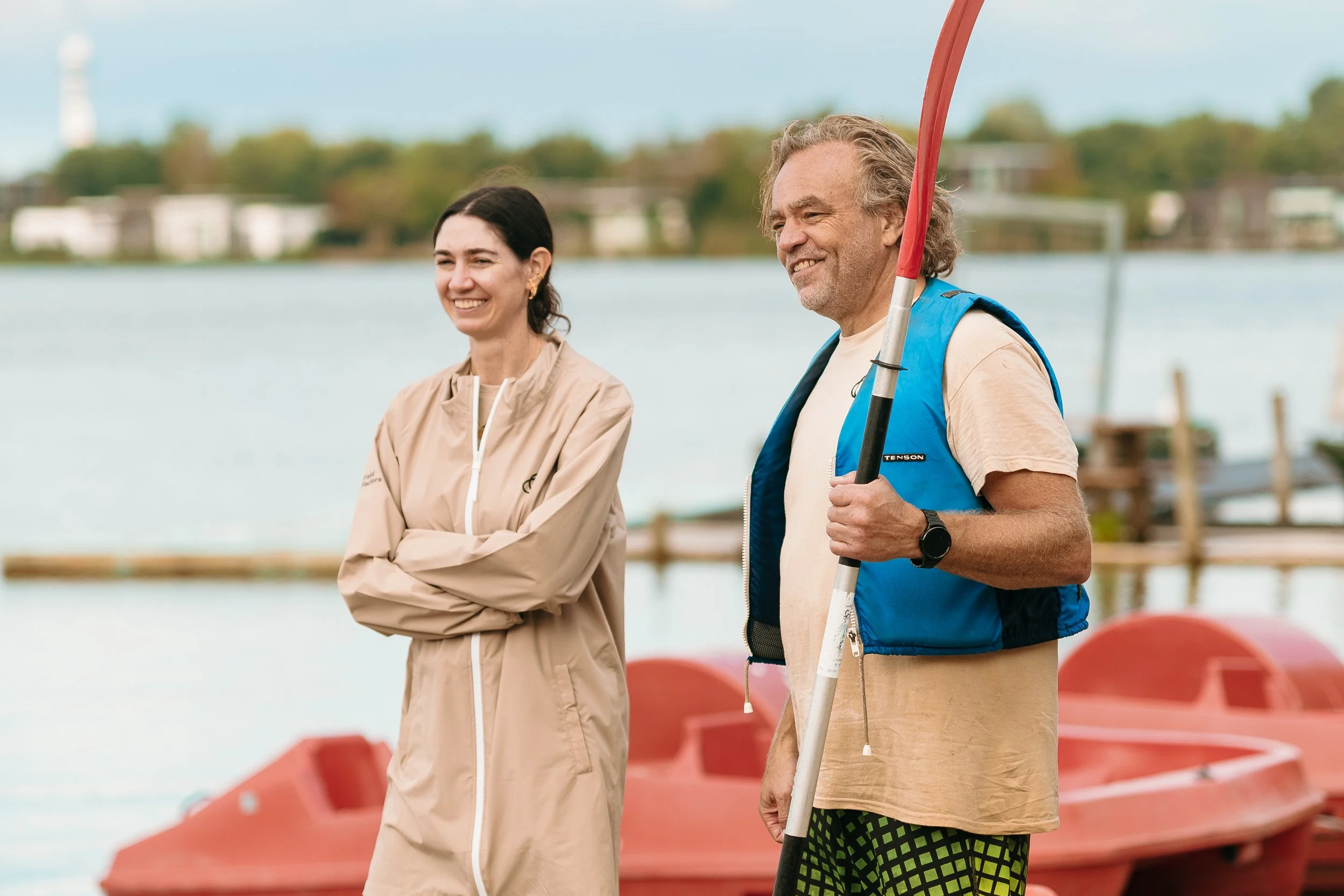
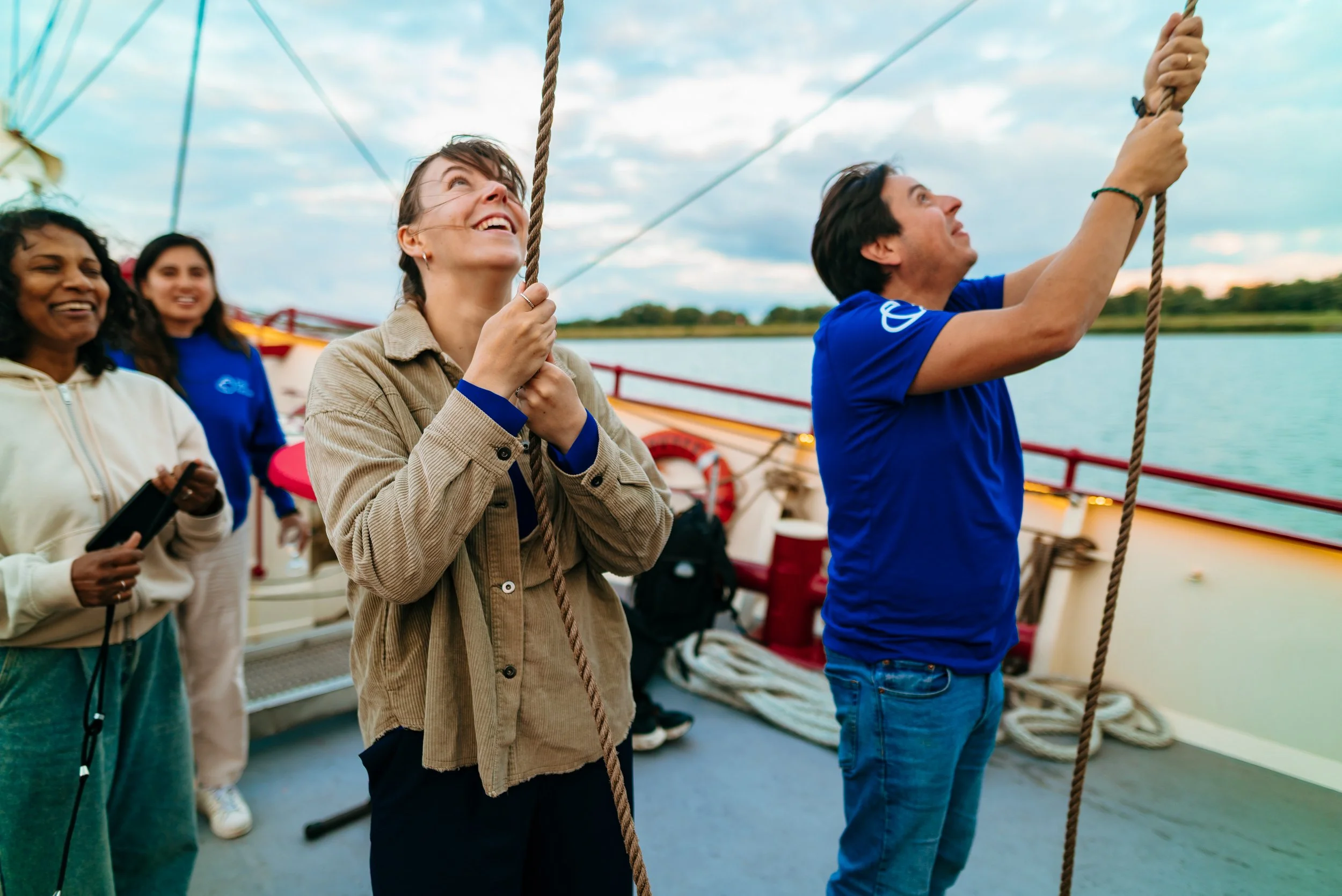
The team itself started on campus. Wilrik ran into Kieran during lunch in a hall at TU Delft and scouted him on the spot. Kieran joined us as an intern, stayed to do his master's thesis with us, and today he's our COO.
That's how we grew in those early years: person by person.
Trust changes everything.
Our first full-scale system only happened because someone was willing to take a real risk on us — the city of Rotterdam, our launching customer.
“Let's try it,” they said, “and if it doesn't work, we take it out.”
That kind of trust is rare, especially in water. It changed everything for us.
Recognition kept us going too.
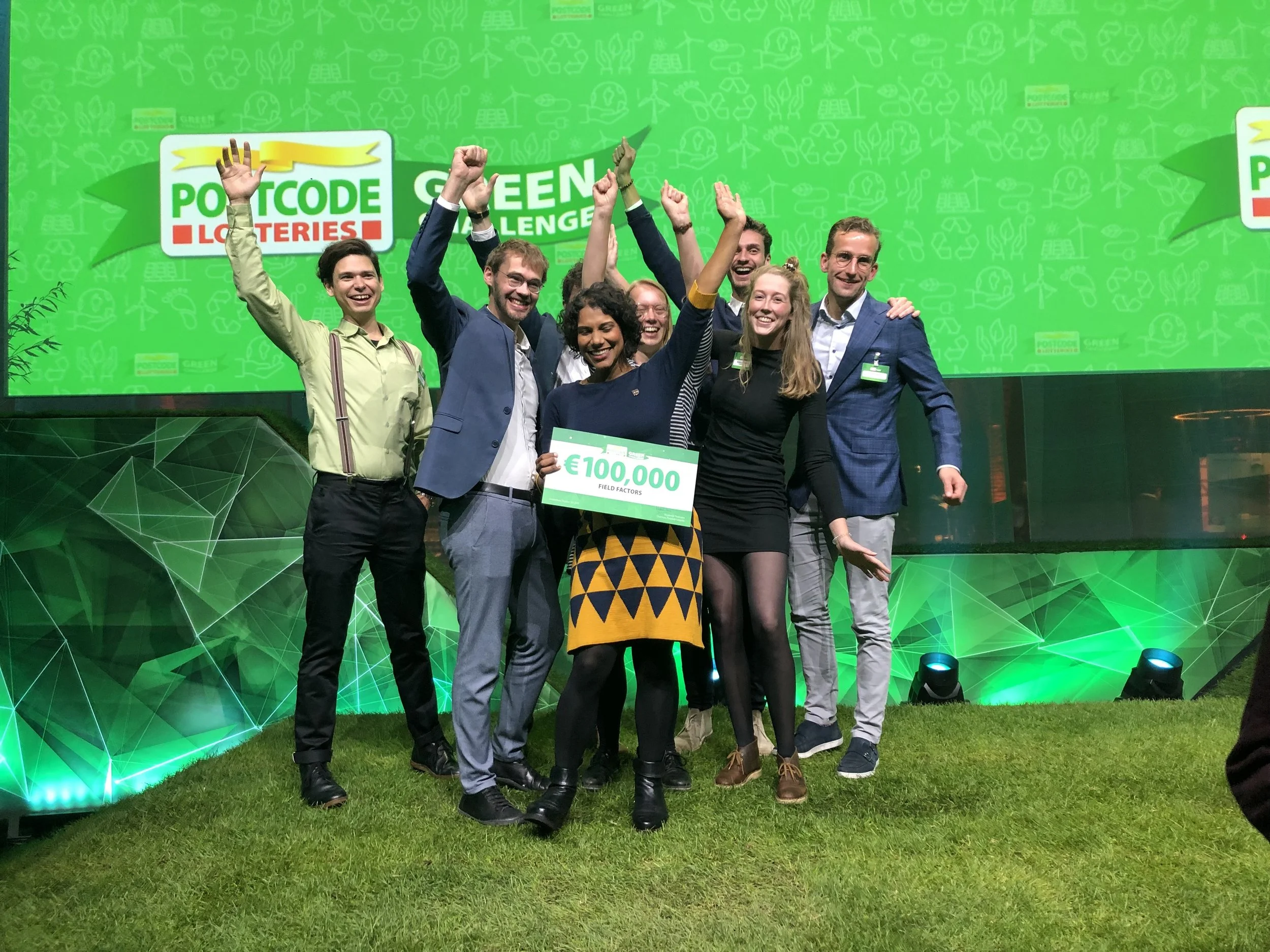
Representing the Netherlands as a finalist in the Postcode Lottery Green Challenge in 2019 gave the team a huge boost.
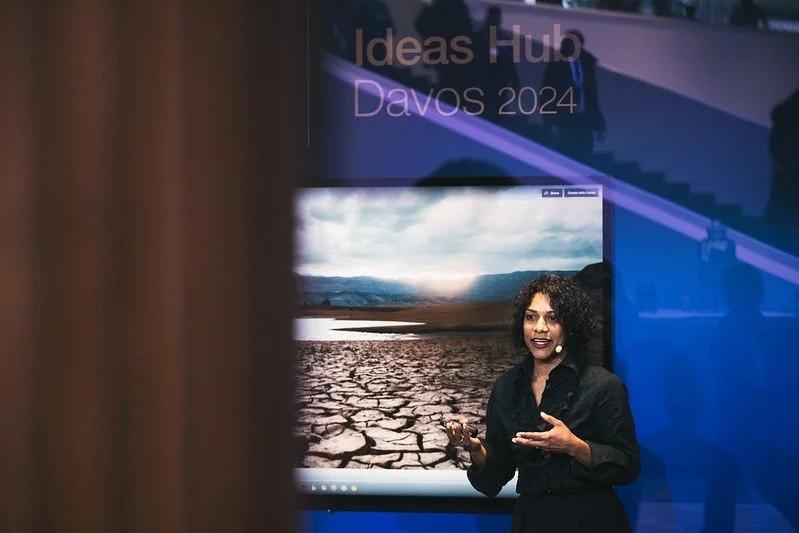
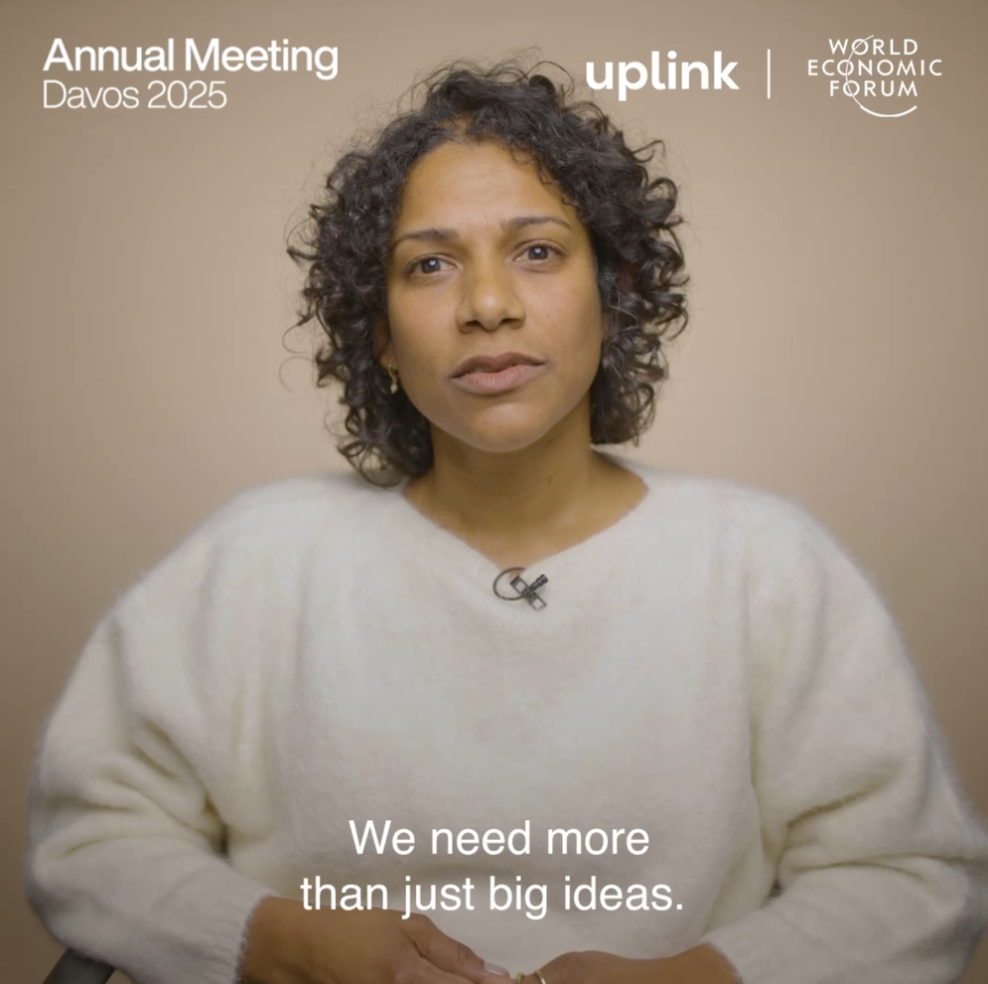
Being named a Top Innovator by the World Economic Forum's UpLink in 2024 put our story on a global stage, all the way to Davos.
And our first project with Microsoft, to replenish 200 million liters of water every year in Madrid, helping recover urban streams, showed us the scale we can now work at.
So many people helped carry us here.
FieldFactors was never built alone.
We are grateful to the people who believed in us early on, before there was proof: TU Delft and Delft Enterprises, our very first investors.
KWR Water Research Institute, who took a chance on us in the early days.
The Green Village, our test ground and our ambassadors ever since.
Partners for Water, EIT Climate-KIC and the LIFE programme. The cities of Rotterdam, The Hague and Madrid, for embracing our technology.
Many thanks to our investors, Connect the Drops, Amplifica, Tailwind Futures, Omusubi Capital and Vanzal Limited, for backing every next step. Generous Minds, our fundraising and growth partner, helped us rethink how to build a company that lasts.
None of this exists because of the founders or one idea. It exists because remarkable people chose to build it together.
That team behind the work is what makes us proudest.
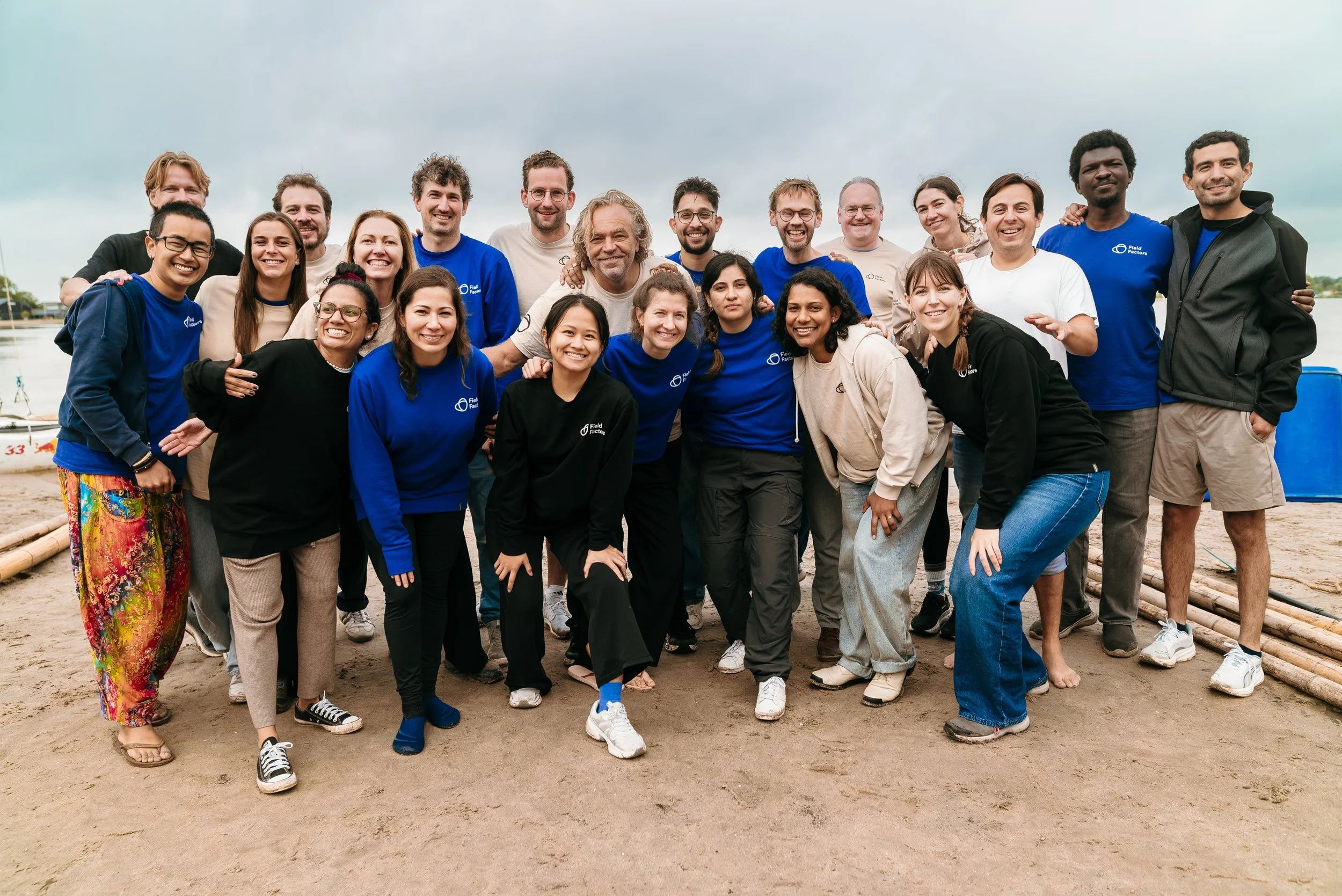
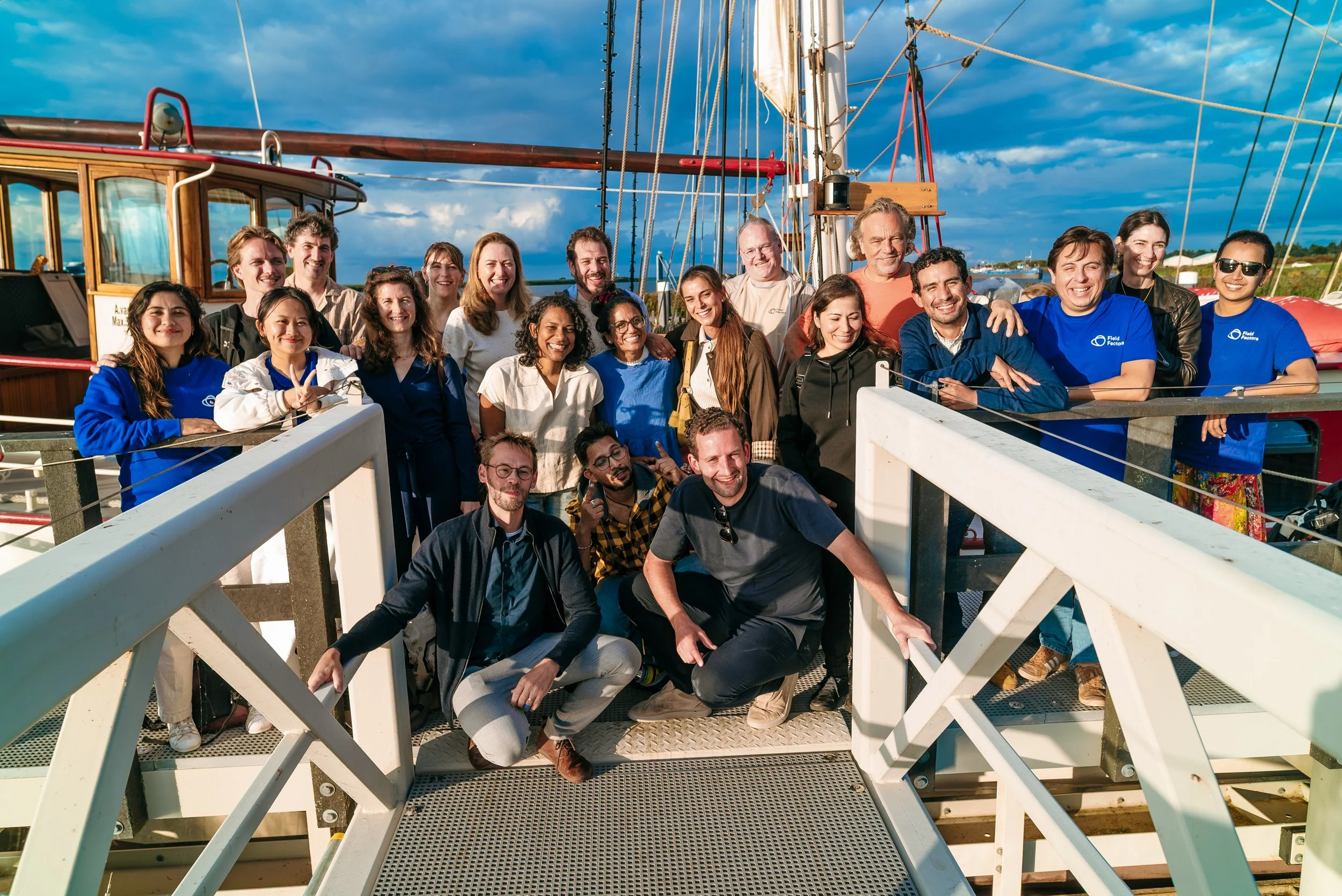
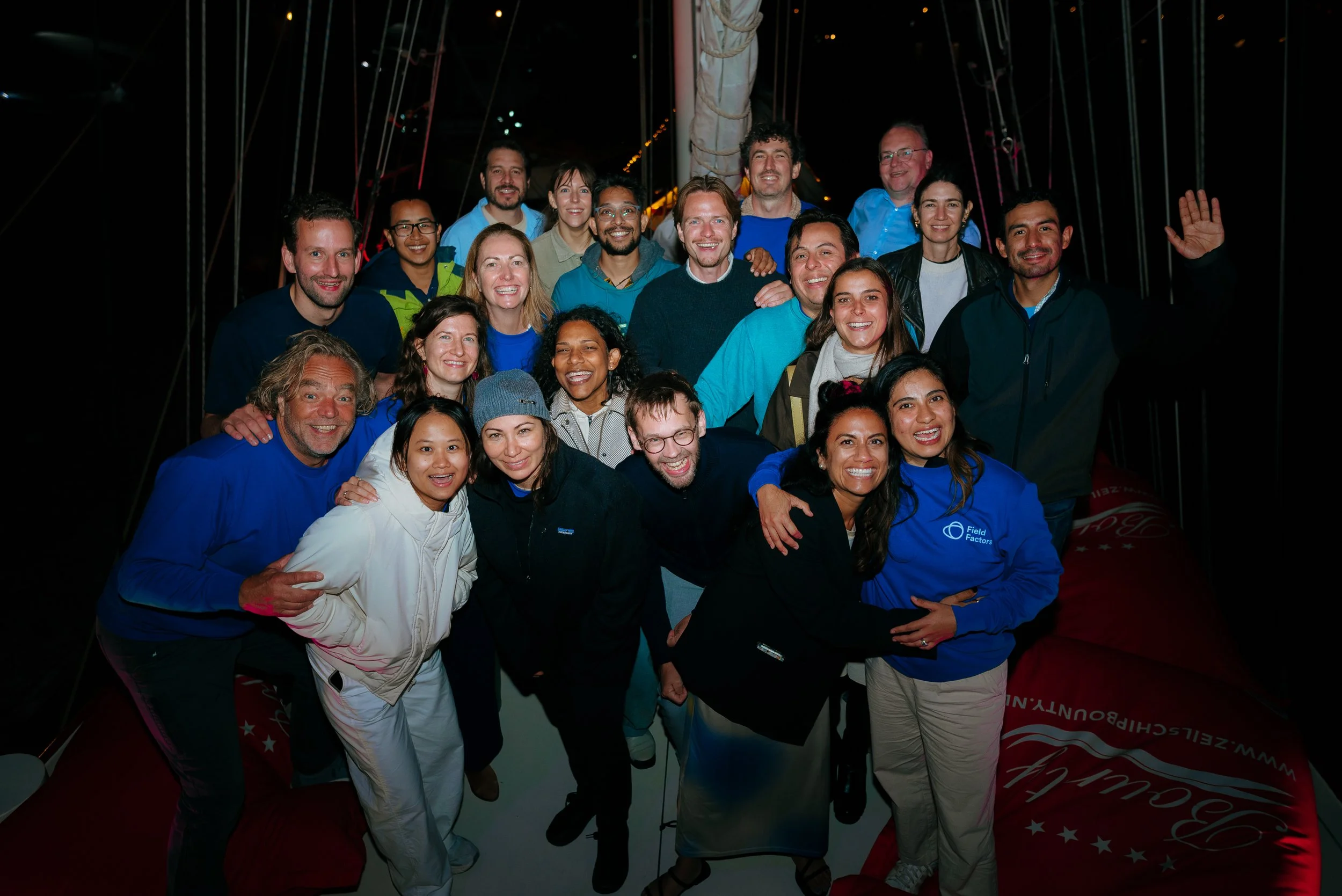
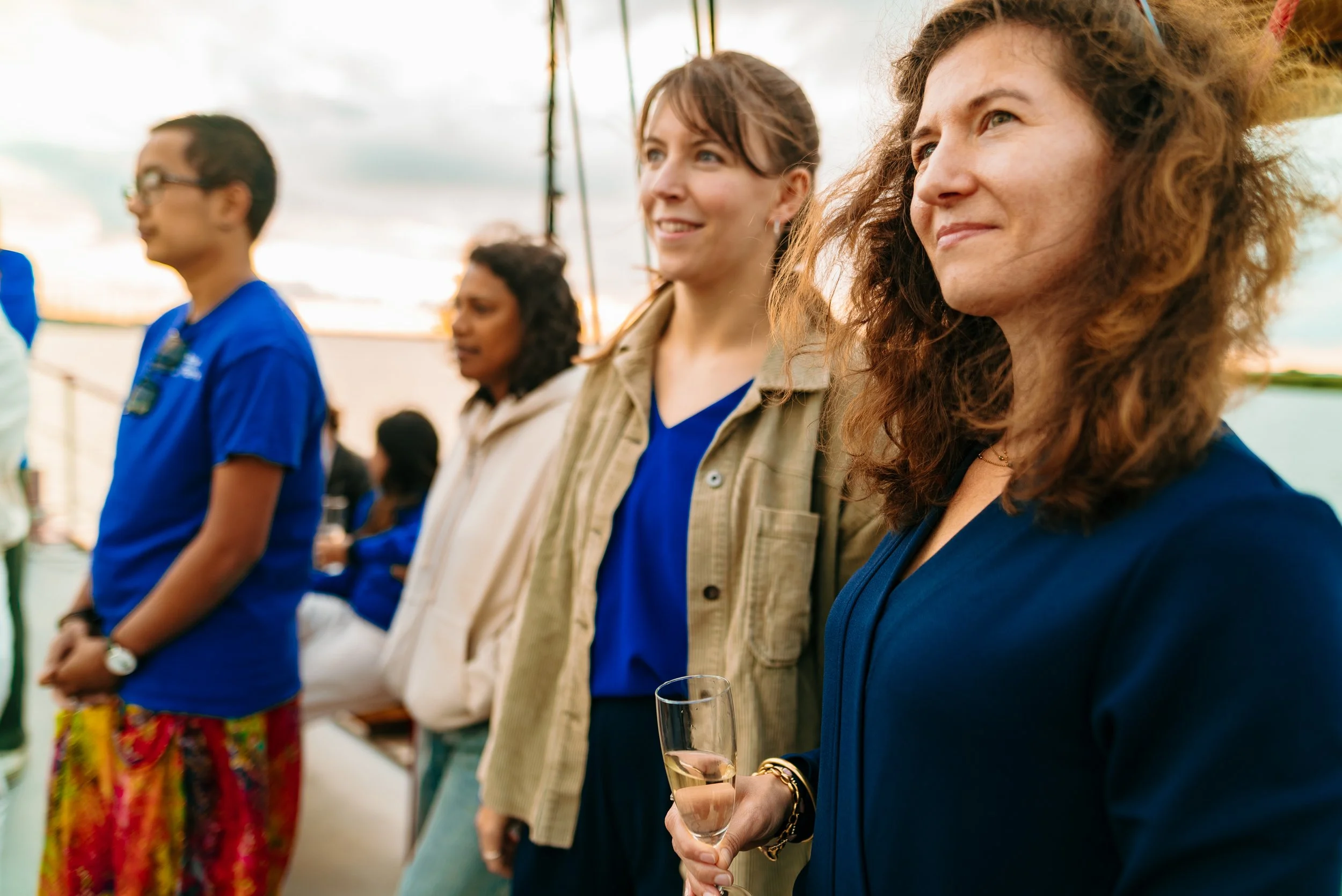
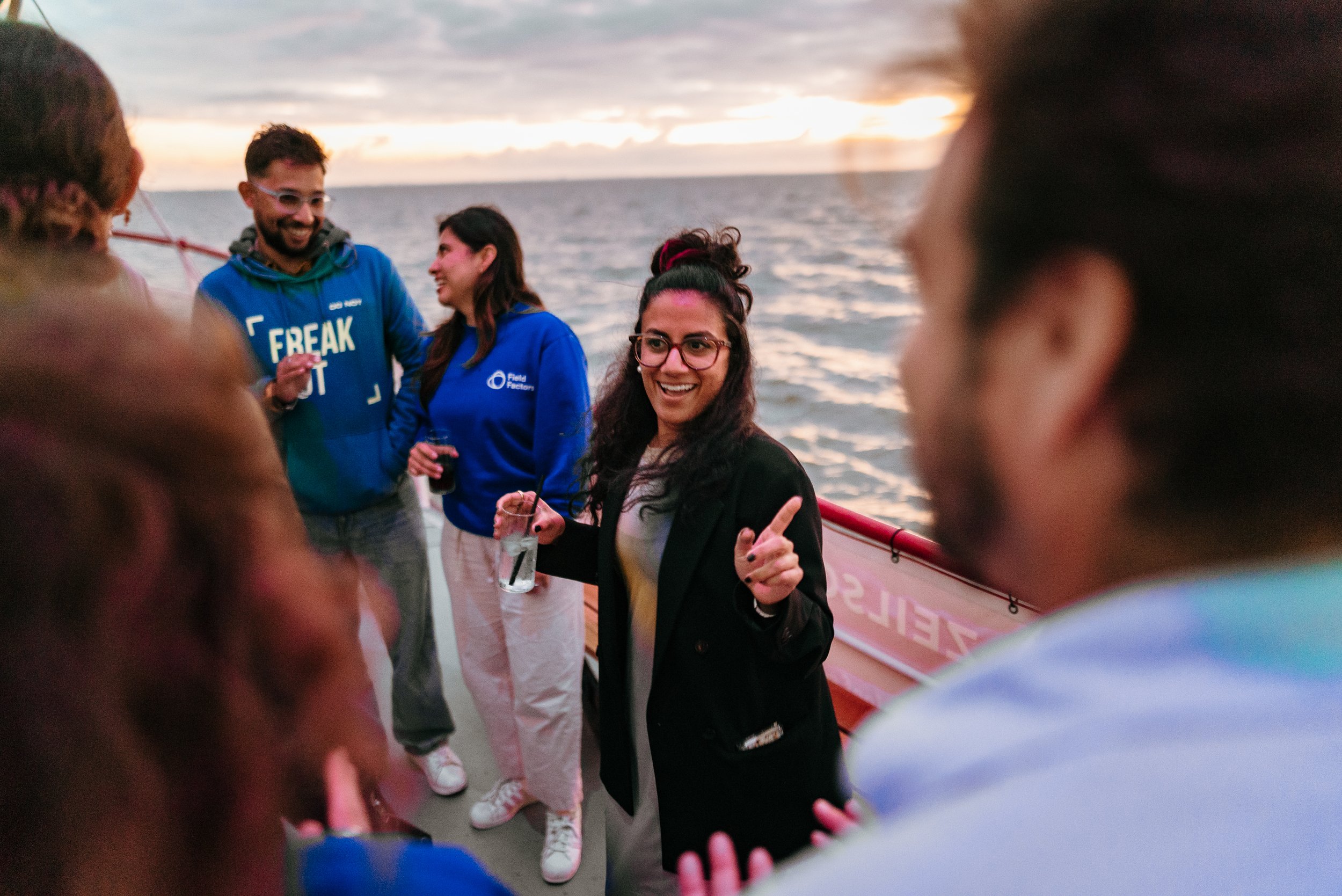
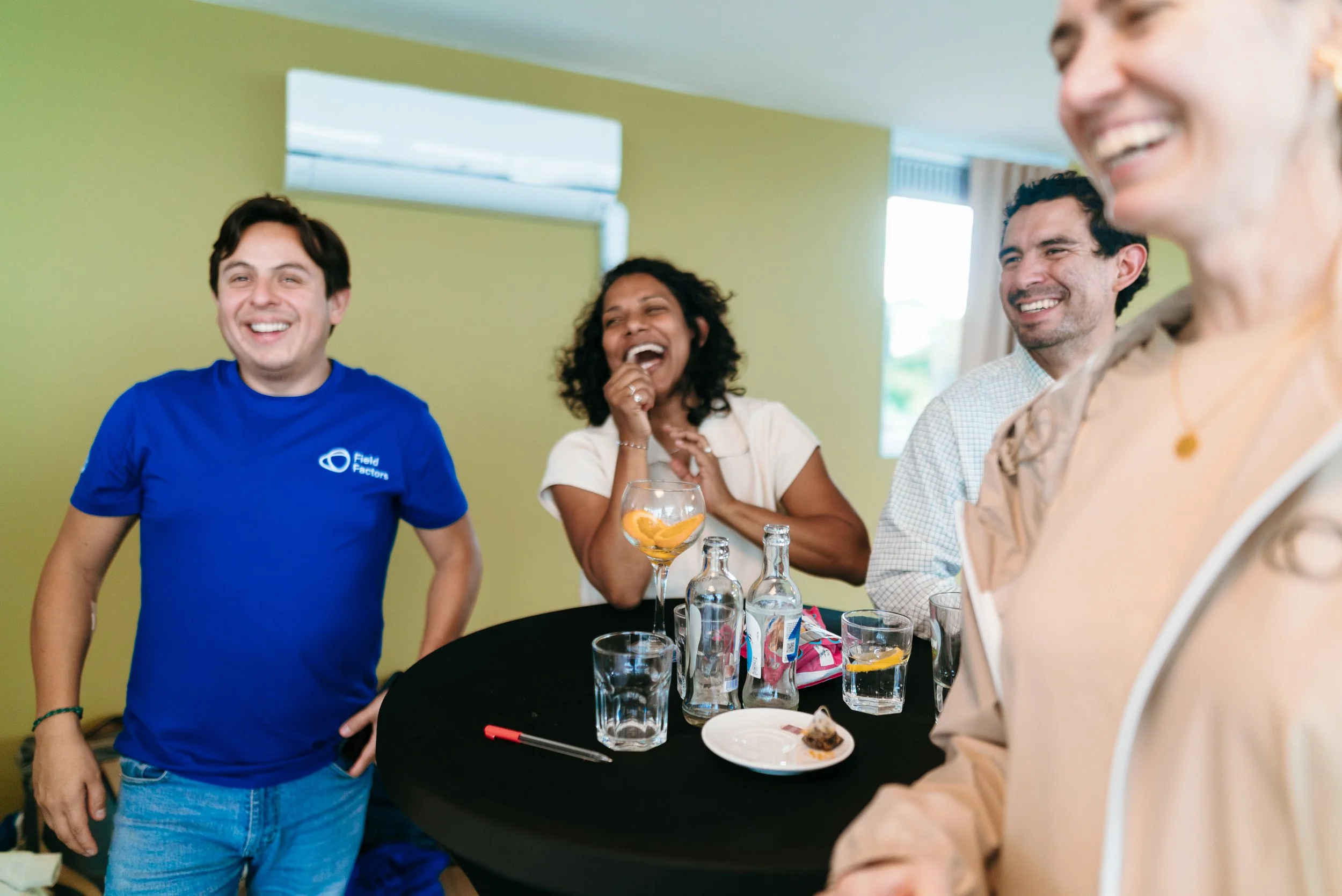
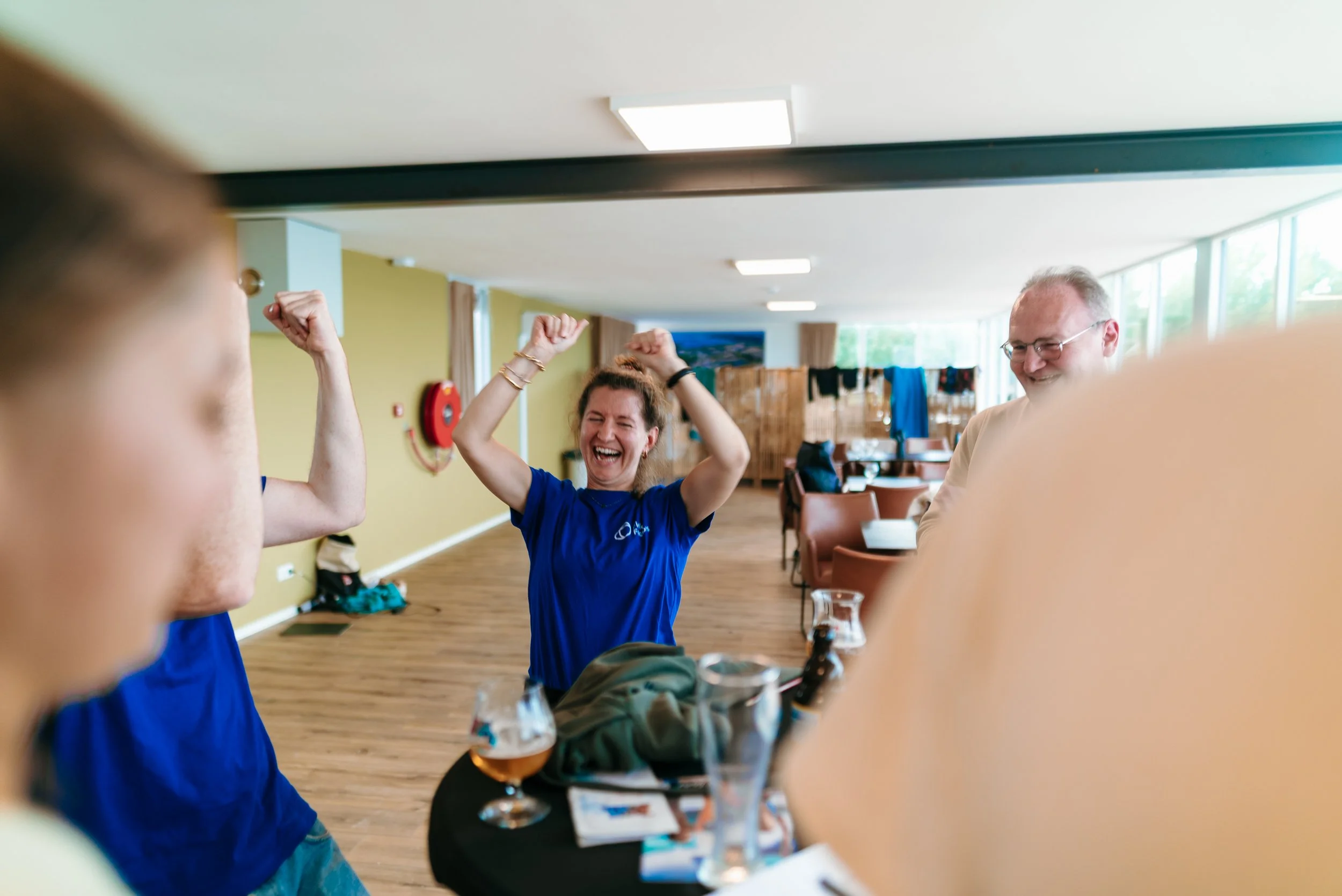
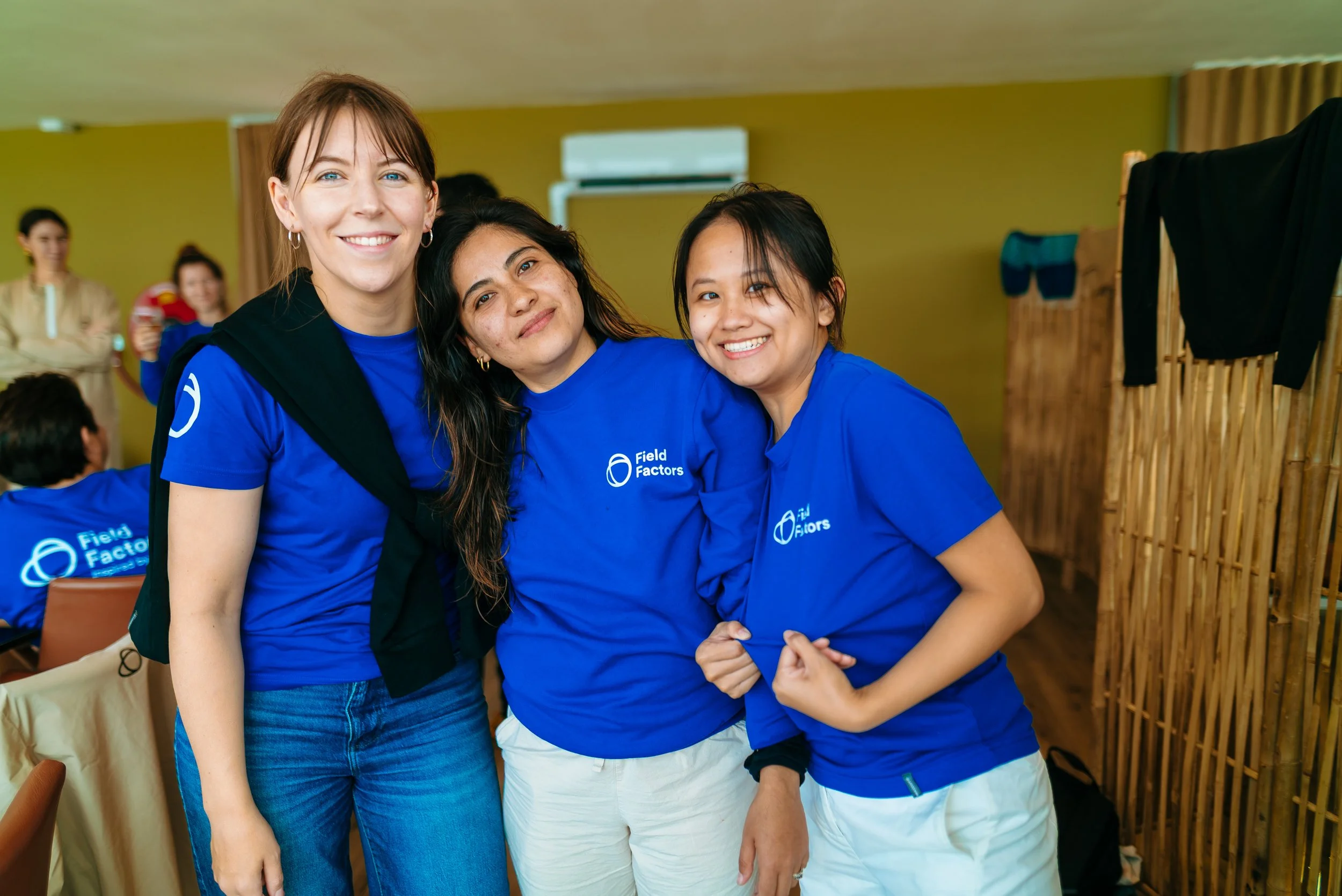
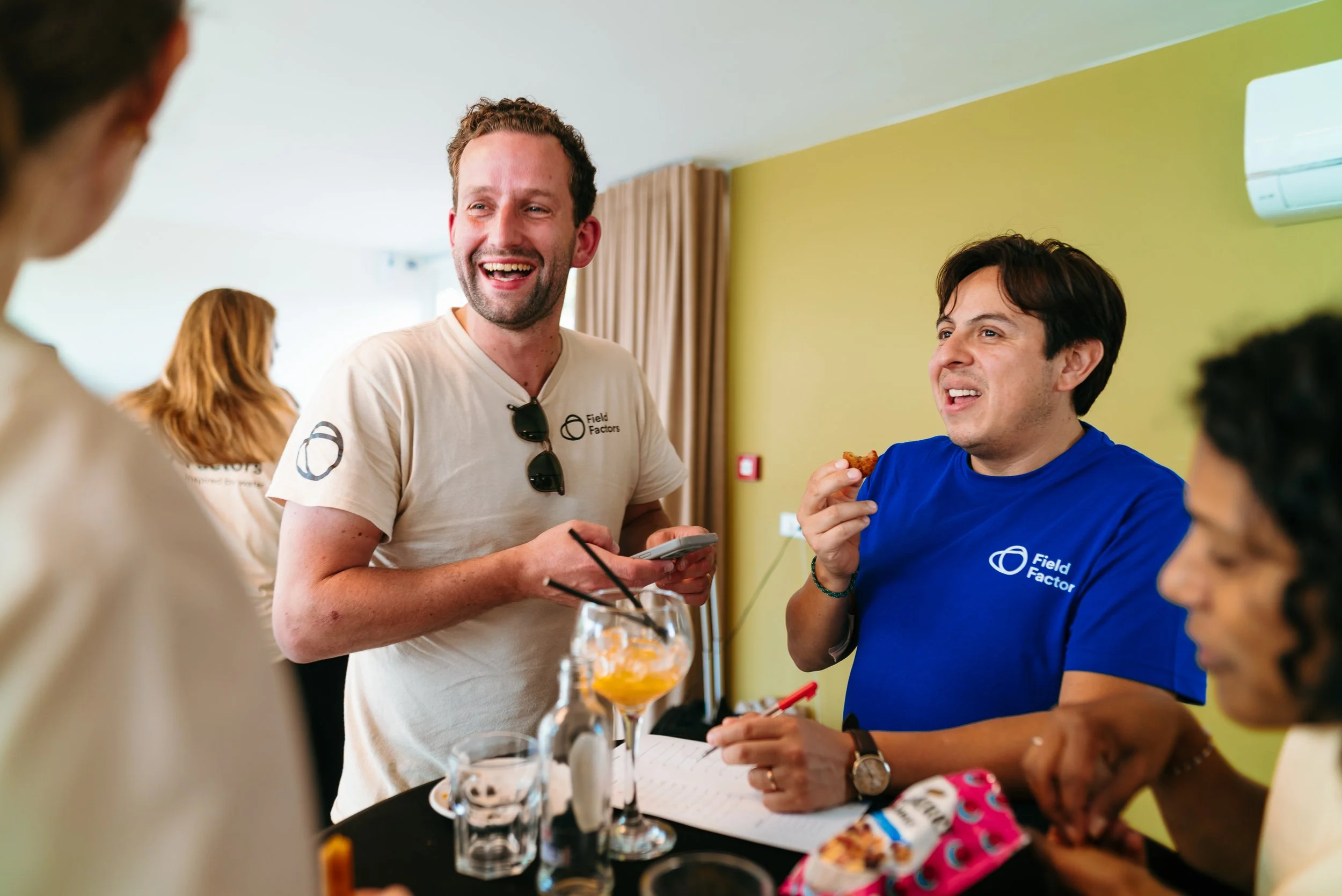
To our first team members, who joined us when FieldFactors was still just an idea and helped build the company from the ground up, we still carry your contribution with us in everything we do today. Now the team has grown to more than 25 people, coming from every continent.
We are so diverse, but all driven by one mission.
Thank you.
The next ten years.
Looking back at the last ten years, we have shown that this idea works — from our first system in Rotterdam to projects across Europe and beyond, helping cities become more resilient by saving millions of liters of rainwater every year.
For the next ten years, our commitment is clear: we want to replenish more than 10 million cubic metres of water and scale rainwater reuse in cities around the world.
It's possible. And it's urgent.
Let's use rain!
With gratitude,
Karina & Wilrik
